kiduverse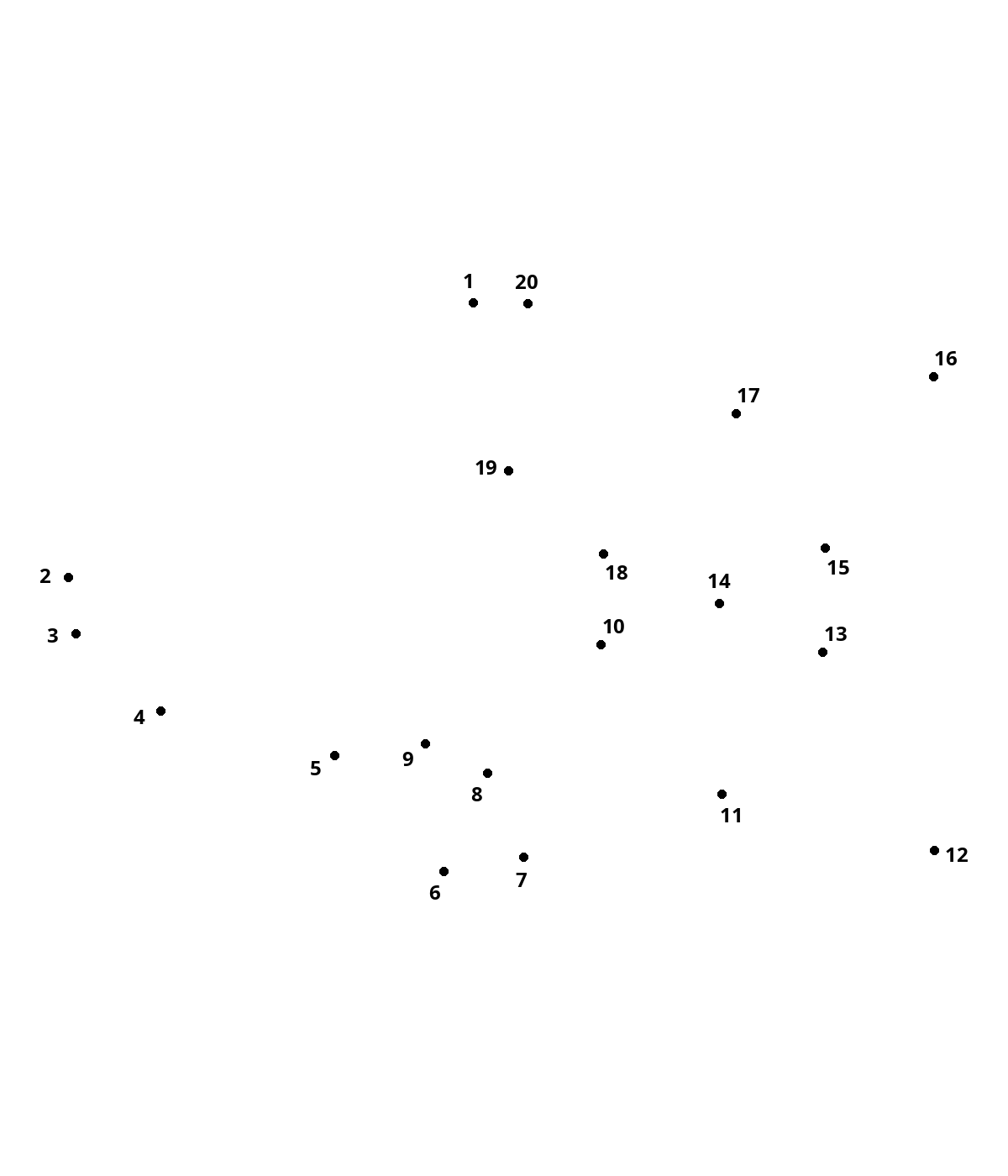
Goldfish
20 dots · up to 20
Start at 1. After 20, return to 1; add your own details and colors.
Check the answer →12 different fish and ocean designs: four sheets up to 10, four up to 20 and four with 55–70 dots. Free A4 and US Letter PDFs, separate answers.
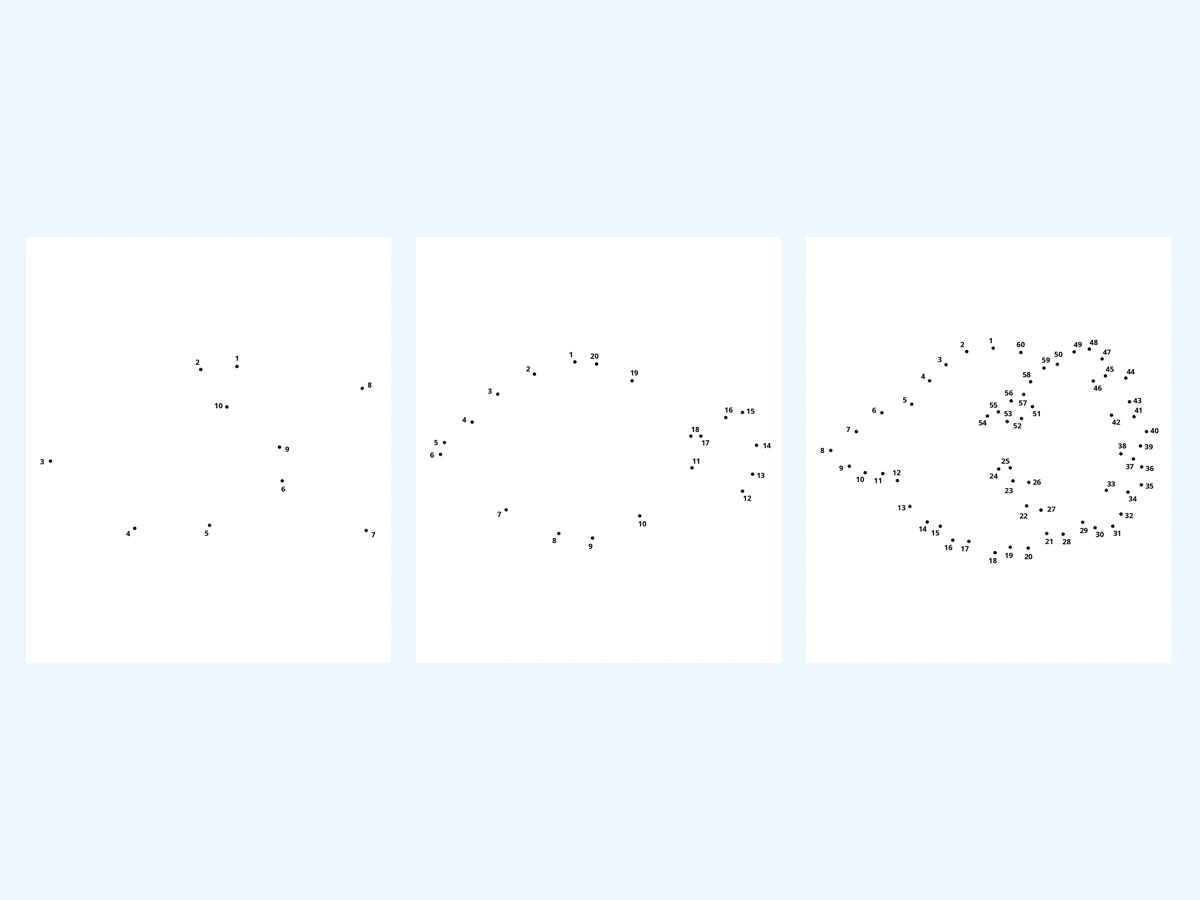
Four different designs per level. Each card shows the exact dot count. Open a larger preview or download the PDF for your paper size.
20 dots · up to 20
Start at 1. After 20, return to 1; add your own details and colors.
Check the answer →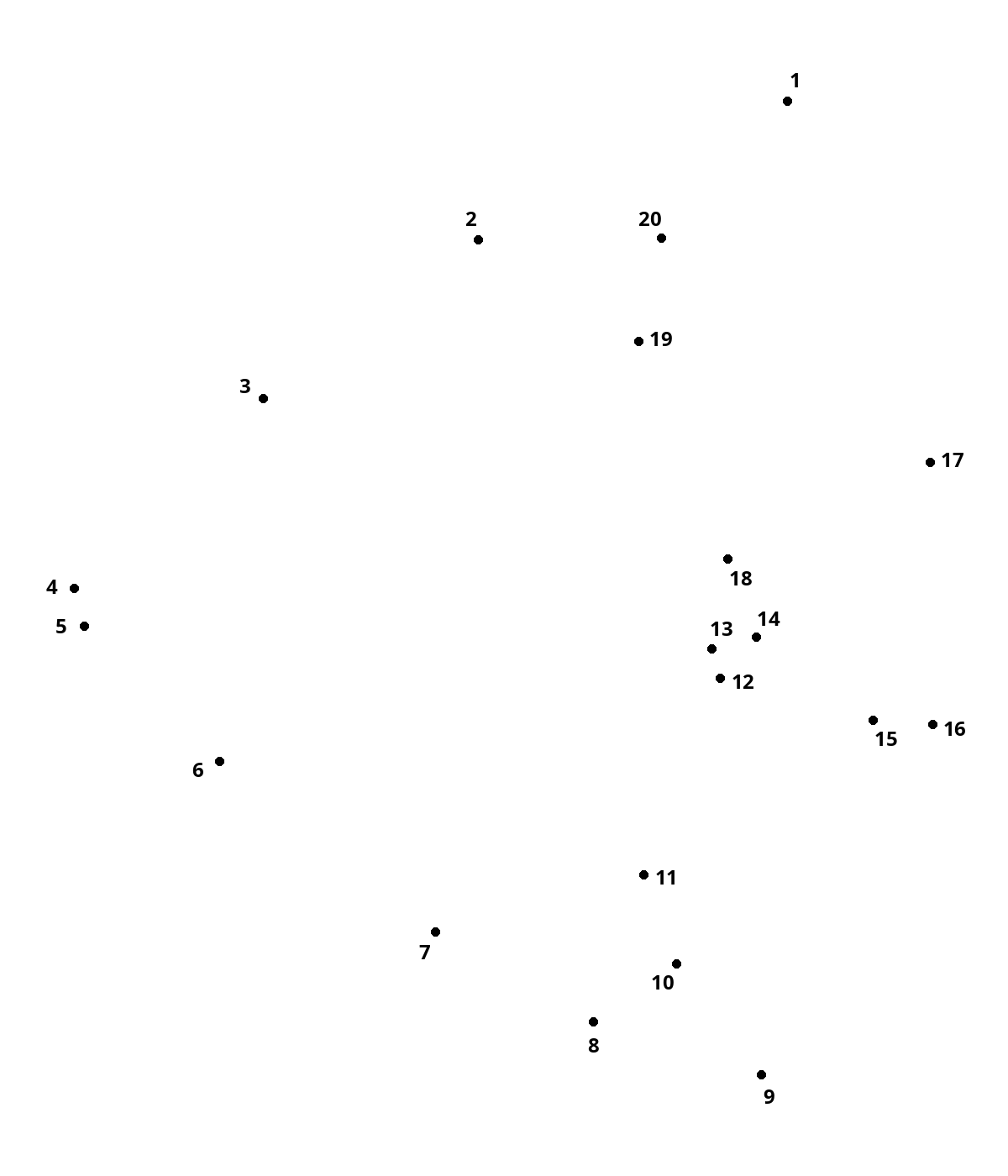
20 dots · up to 20
Start at 1. After 20, return to 1; add your own details and colors.
Check the answer →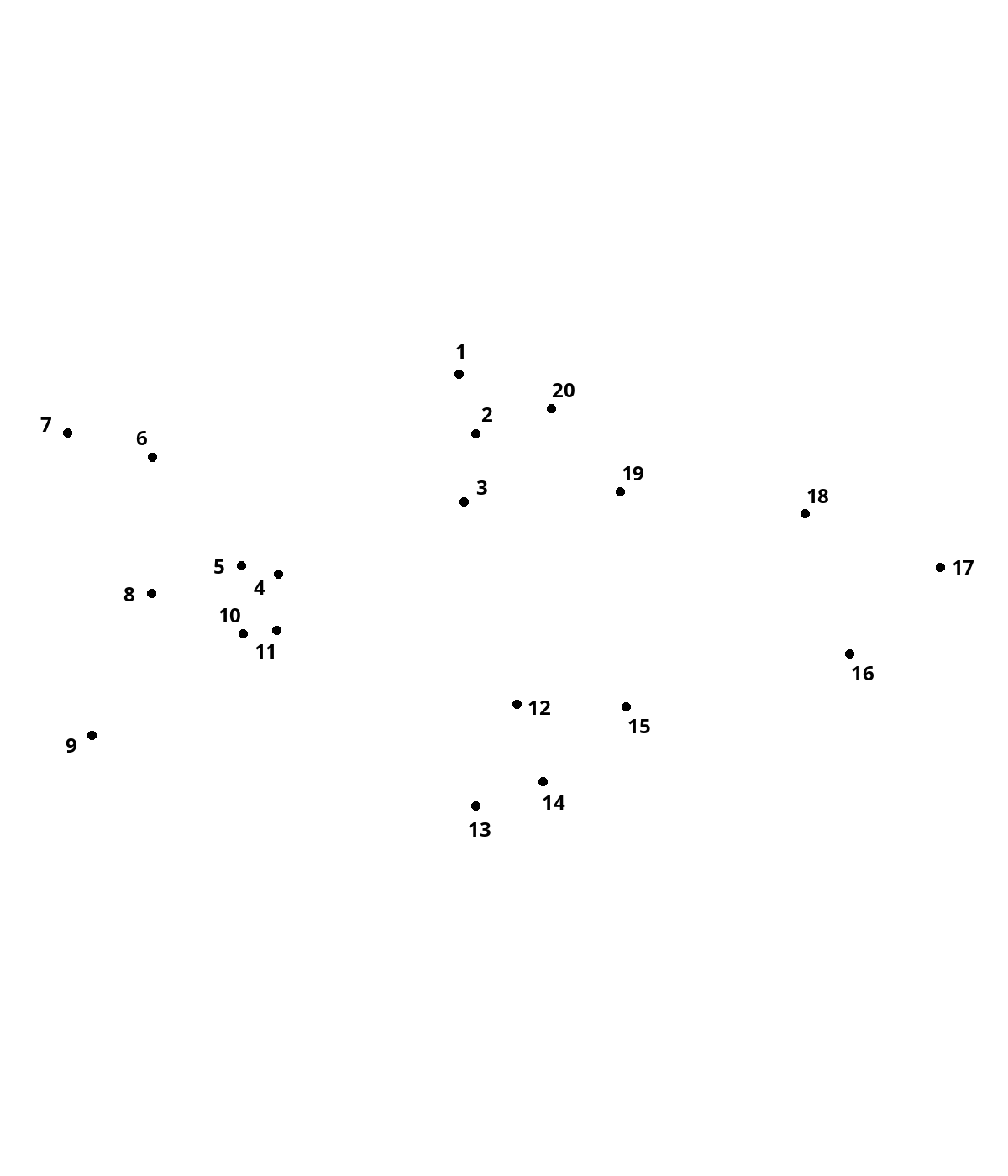
20 dots · up to 20
Start at 1. After 20, return to 1; add your own details and colors.
Check the answer →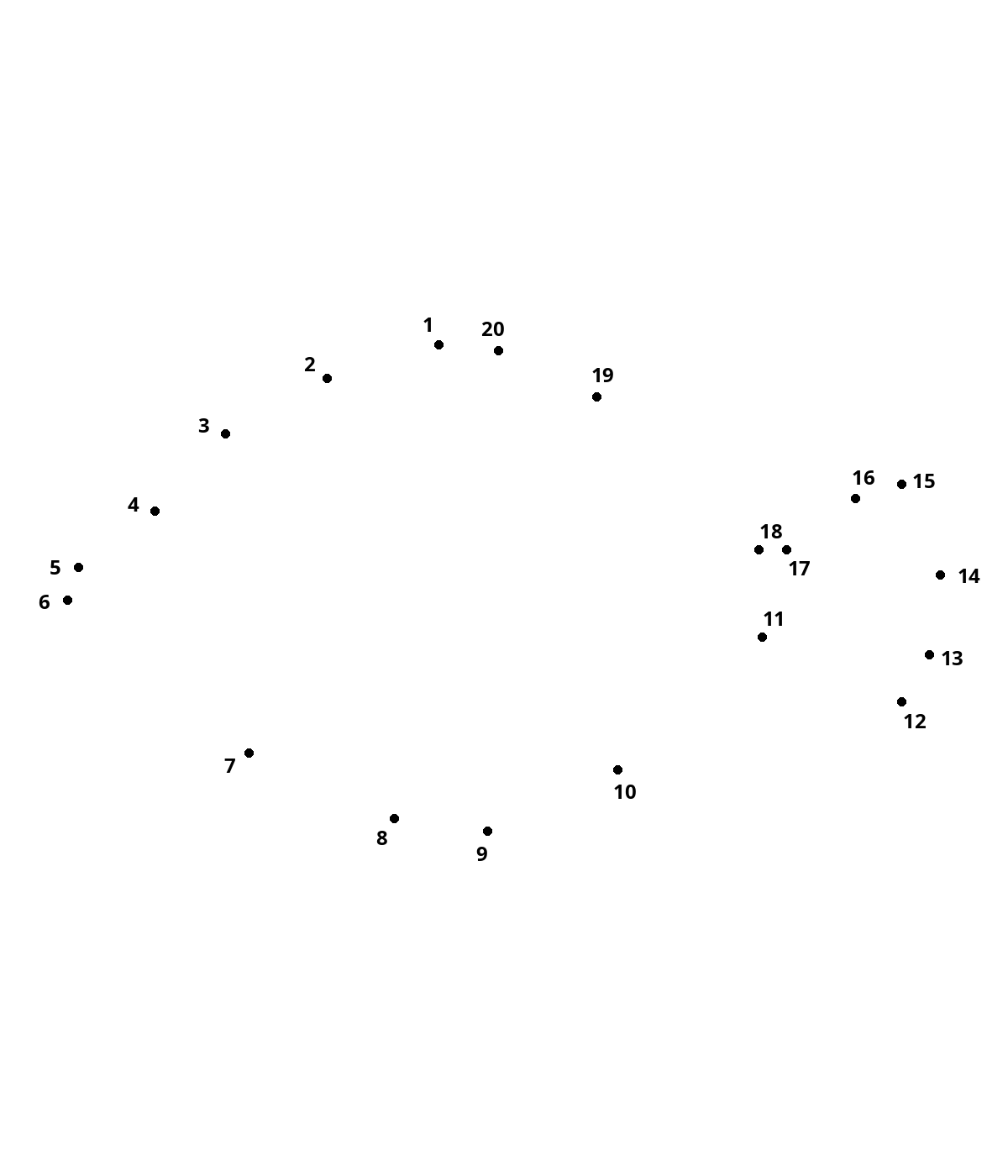
20 dots · up to 20
Start at 1. After 20, return to 1; add your own details and colors.
Check the answer →Fish dot-to-dot printables — 12 free ocean worksheets
12 worksheet pages, with no answers. The answer keys are in a different file so an adult can keep them separately.
Start with numbers your child can recognize comfortably. The first four sheets each use ten dots: a little fish, a ray, a sea star and a seashell. These broad shapes make a short first route. They belong to a fish and ocean collection, although a shell and a sea star are not fish. Say the numbers together before drawing if the sequence is still new. Choose by confidence with counting and pencil control rather than a fixed age.
The next four sheets have twenty dots each. A goldfish, an angelfish, a shark and a flatfish introduce different bodies, fins and tails. Find the next number with a finger before moving the pencil. If numbers after ten feel confusing, pause and count from ten aloud, or return to a ten-dot sheet. Repeating a short route is a useful way to become comfortable with the activity.
The longer level includes a seahorse with 55 dots, a betta fish with 60, a lionfish with 65 and a flying fish with 70. The extra points describe curved tails and larger fins. Check that similar two-digit numbers are easy to distinguish before choosing this level. Take breaks and remember the last connected number. There is no need to finish all twelve pictures in one sitting.
Find 1, then locate 2 before drawing a straight line between the centers of the dots. Continue from 2 to 3 and follow the numbers in order. Aim at the dot, not the printed numeral beside it. The nearest dot is not always the next number. Each sheet has one continuous route, with no branches or separate numbered groups to guess.
After the highest number, connect the final dot back to 1. This closes the outline and is stated on every PDF. The worksheet shows numbers and dots without a finished contour. Its title helps you choose a subject, while the matching answer stays on a separate page. Count aloud if that helps, or quietly point to each next number before drawing.
If the picture develops an unexpected crossing, stop at the last point you trust. Read the next two or three numbers. For example, if you joined 14 straight to 16, erase that segment, locate 15 and replace it with 14–15 and 15–16. A crossing can come from skipping a number or mistaking one label for another. Repairing a small section is usually easier than starting again.
Open the matching answer after trying the route independently. Compare one fin or a short part of the tail and then return to the worksheet. Answers use exactly the same dots, coordinates and numbers. Follow the sequence rather than copying the whole finished outline. Lines can be a little uneven: careful number finding matters more than a perfect contour.
Choose the PDF for your paper: A4 is 210 × 297 mm, while US Letter is 8½ × 11 inches. Print at actual size or 100 percent. Use the downloaded file instead of printing the web page with its menus. Test one sheet first and check that every outside number fits. A pencil and an eraser make small repairs easy.
Individual worksheets contain one page each. The complete worksheet booklet has twelve pages; answer keys have their own separate files. After closing the route, add eyes, scales or an imagined underwater setting and color your picture. Give the animal a name or tell a short ocean story. The outline is a starting point for your own details, and this counting activity does not replace a drawing lesson.
Yes. Download A4 and US Letter PDFs without signing up.
Four sheets with 10 dots, four with 20, and four with 55, 60, 65 and 70 dots.
The collection also includes a ray, a sea star, a seashell and a seahorse as ocean subjects.
Yes. Connect the highest numbered dot back to 1.
Open the separate answer page or follow the answer link on a worksheet card.